Mission Codename N of 1
“One sip of the Florio Vergine Riserva 1998 and you will understand how centuries ago Marsala was prized beyond any other drink, and you’ll hope you can drink a lot more of it before everyone else in this timeline figures it out too.” – Wine Enthusiast
This wine. THIS WINE… It is hard to define because it defies definition. In a category of one, it’s a STEAL at $300. But for $169?!
Do us a favor – forget the word ‘Marsala’ for a second. We have tried thousands of wines. Between us, tens of thousands. Yet sometimes a wine can still hit us like a freight train, knock our palate into the stratosphere, and leave us begging for more.
We dare you. Double dare you. Try it. And it will rock your world.
If you don’t believe us, check out the more than 700 words of praise from Wine Advocate below. They basically do our homework for us, but we’ll try our best to add what we can…
The origins of Marsala trace back to an English merchant in late 1700’s, and by 1833 when Vincenzo Florio founded his winery, it was among the most highly sought after wines in the world. The competition was stiff, but in the end, Florio bought out his competition, and remains the oldest house in Marsala. And they are among the very few producing wines that lives up to the historic potential of the style – wines of this caliber.
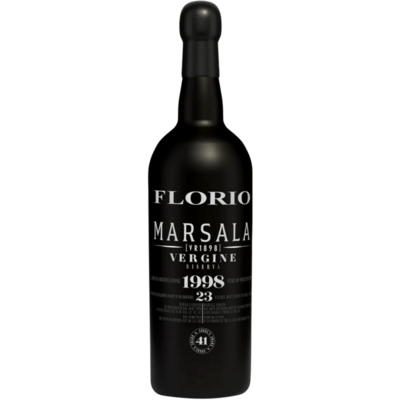
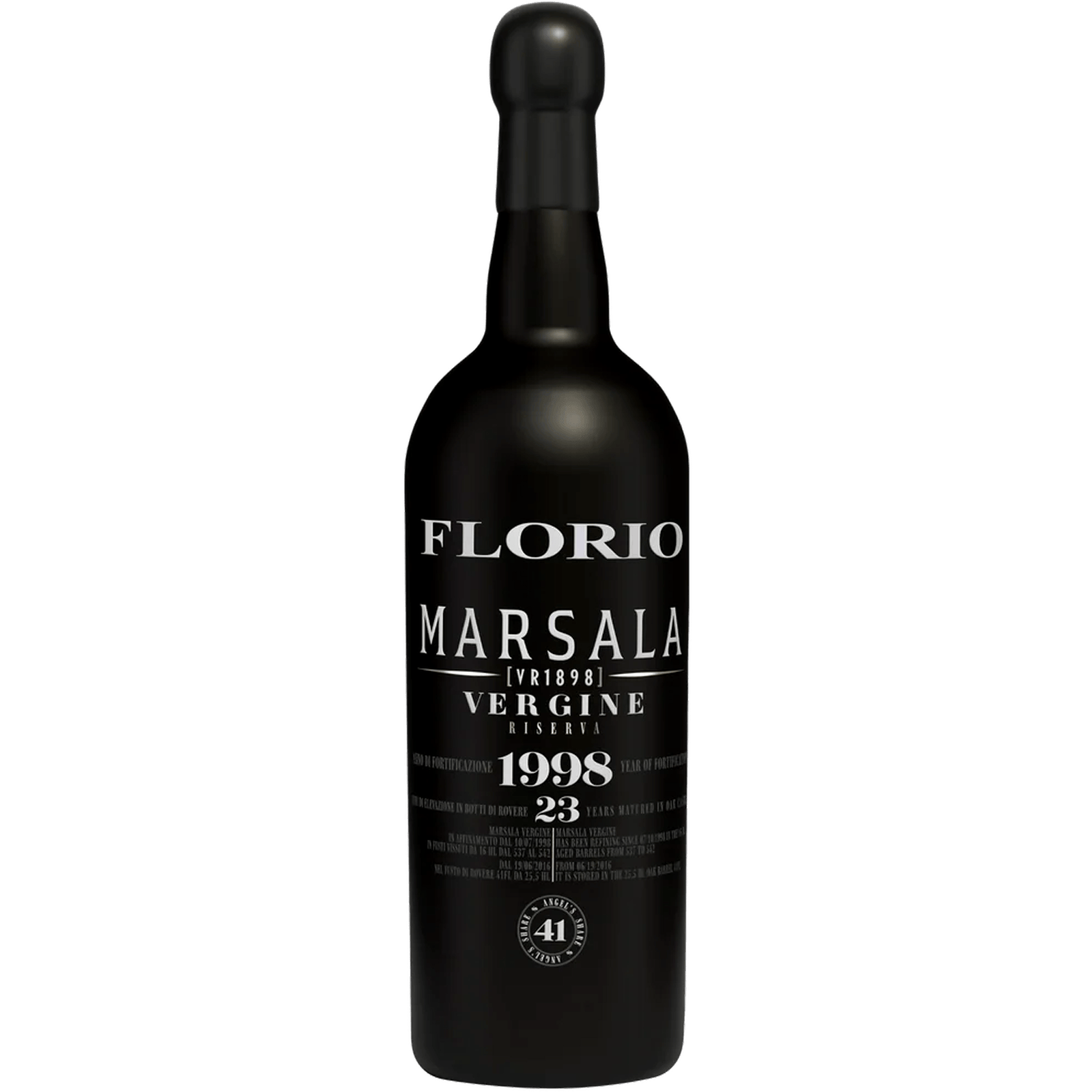
What you’re looking at is their top bottling. Made from the local white Grillo variety, the wine was fortified and aged for 23 years!!! in a single barrel, shifted around the cellar to take advantage of different conditions within. In the end, over 40% of the wine evaporated, leaving behind viscous, dense, and beautiful golden colored liquid that is so complex it will blow your mind. Nutty, toasty, saline goodness laced with exotic spices and a bone-dry powerful finish that goes on and on and on.
Look past the numbers and read the reviews below. It’s clear: The critics were blown away by the wine, but also there is no clear metric of comparison for something so unique.
Also note – this is one of those wine (like some Sherry or Madeira) that will not evolve much in bottle, but if stored properly will last almost forever. The exposure to oxygen during winemaking also means that once opened its good to go for weeks, if not longer.
If you love wine as much as we do, and like us you feel like you’ve tried it all, this will prove you wrong. Grab as many as you can.
Because we only have a few bottles…
97 Points – Wine Enthusiast “We have a tendency to primitivize the past–imagining that people who lived a long time ago had different feelings, different reactions to the world, different desires. Of course, evolution does not work that quickly, and people living 500 years ago were just like us, if with less SSRIs. One sip of the Florio Vergine Riserva 1998 and you will understand how centuries ago Marsala was prized beyond any other drink, and you’ll hope you can drink a lot more of it before everyone else in this timeline figures it out too.”
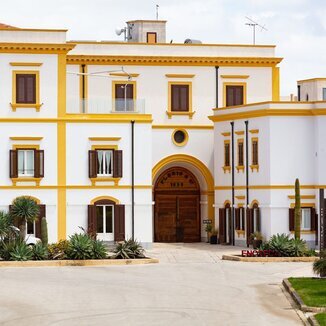
96+ Points – Wine Advocate “Never have I felt deference to a building as I have toward the winery of Cantina Florio, home to the fortified wine Marsala in the Sicilian city of the same name. A visit to this historic site teaches us that terroir is not just associated with vineyards and dirt. The concept can absolutely be applied to buildings, bricks and mortar. Founded in 1833 by Vincenzo Florio, this establishment boasts a unique story that overlaps with the history of Italy, starting with Giuseppe Garibaldi. Constructed with blocks of permeable yellow tuff rock, the building sits precisely 95 meters from the shore, and part of the edifice is technically below sea level, literally lapped by water. The winery building is divided into four giant naves, or ‘navette’ in Italian, spanning across two hectares. These spaces are named from left to right: Donna Franca, Garibaldi, Florio and Ingham. Most of these spaces are filled with oak casks of various sizes. Some are as big as a two-story building, and I’m told they are all filled with wine, which boggles the mind. A tour of the facilities with philosopher/winery director Roberto Magnisi reveals that these areas are called the Florio ‘forests of wood.’ Roberto Magnisi articulates other romantic thoughts such as ‘enologia d’ascolto,’ or a winemaking based on observation and patience, and ‘movimento lento’ (or slow movement). This maintains that racking or changing casks can be just as impactful to the final taste profile of a wine as barrel size, forests, density and toast. With Marsala, there are a plethora of variables that go into making one of the world’s most complicated and misunderstood wines. Each nave is an individual environment, and this is yet another variable. The naves start close to the shore and extend 260 meters inland. Casks located near the waterline enjoy cooler, more humid conditions, meaning that less wine is evaporated. Concentration (or structure) is leaner as a result. The so-called angel’s share indicates how much of the wine has evaporated during aging, and you can expect that number to be lower on this side of the winery. It might be the power of suggestion, but barrel samples reveal marine-like aromas of sea urchin, seaweed, marine salt and crushed oyster shell. The further up the nave you walk, you notice less humidity at your feet and the air feels warmer and drier. Oak casks on this side of the room enjoy conditions that result in increased evaporation for a larger angel’s share. Barrel samples up here deliver very structured Marsalas with earthy aromas, walnut and complex tertiary nuances. ‘They smell like infinity,’ Roberto Magnisi declares with satisfaction. Each bottle of Marsala comes with a little map telling you exactly where its cask was located (counted in meters away from the sea shore). Printed materials also tell you the size and specifics of each barrel, aging times and whether the wine was moved around to different barrels over the course of time. These are the so-called gypsies. I was moved by my recent visit to Catina Florio, and I can’t wait to go back to taste more wines from this fascinating and magical place. As Roberto Magnisi writes, ‘The winery breathes the surrounding environment, with its seasons, its hot summers and rainy winters, its warm southern winds and shares that environment with varied kinds of oak adding personality and color to aging Marsala.’ Matured for 23 years in what the winery calls a ‘forest of woods’ (because there are so many oak barrels packed into this landmark winery that is made with yellow blocks of tuffaceous rock), the Cantine Florio 1998 Marsala Vergine Riserva VR1898 is very dry to the palate with lots of exotic spice, toasted grains, tea leaf, aniseed and caramel. Only 900 bottles exist. The wine’s code VR1898 stands for ‘Vergine Riserva,’ with alcohol added 18 times since the 1998 vintage. The barrel’s resting place was exactly 147 meters from the sea shore, meaning that this Marsala matured on the slightly drier and warmer side of the cellar that sees accelerated evaporation and, consequently, added concentration. The angel’s share is 41%. This is a measurement of how much liquid evaporated into the environment over time. This is another indication of added richness and viscosity. Drink 2023-2065.”
96 Points – James Suckling “This wine opens with explosive aromas of roasted hazelnuts, saddle leather and exotic spices. The palate is sharp and pungent, with pronounced acidity and a saline edge, creating a complex, layered, and multidimensional experience. Persistent flavors linger, showing its depth. Matured for 23 years in oak casks, this is a truly unique and captivating wine. Drink now.”
What the Winery Says
1998 Vergine Riserva Marsala
- Winemaker
- Cantine Florio (Winemaking Team)
- Varietal
- 100% Grillo
- Vintage
- 1998
- Alcohol
- 19%
- Appellation
- DOC Marsala Vergine Riserva, Sicily
- Aging
- 23 years in a single 41FL oak tun (Cantina Garibaldi)
- Barrels
- Single large oak tun (neutral)
About the Winery
Florio